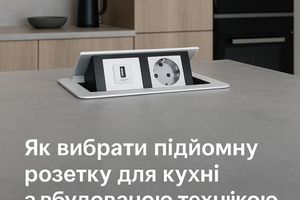
In modern kitchen design, ergonomics and space organization have become key planning criteria. This is especially true for the kitchen island—a multifunctional area where cooking, dining, socializing, and working come together. To keep this space convenient, safe, and stylish, it’s worth considering modern power solutions for appliances. Pop-up sockets for a kitchen island are exactly the innovative element that helps create an aesthetic, ergonomic, and functional interior design.
A kitchen island is a separate module located in the center of the room that serves as an additional work surface, storage space, and may include a dining area or bar counter. It adds functionality and aesthetics to the kitchen, especially in modern open-plan interiors.
Therefore, you need the ability to connect appliances, charge gadgets, etc. The sockets must be installed so that it’s convenient and safe and does not disrupt the overall style of the room.
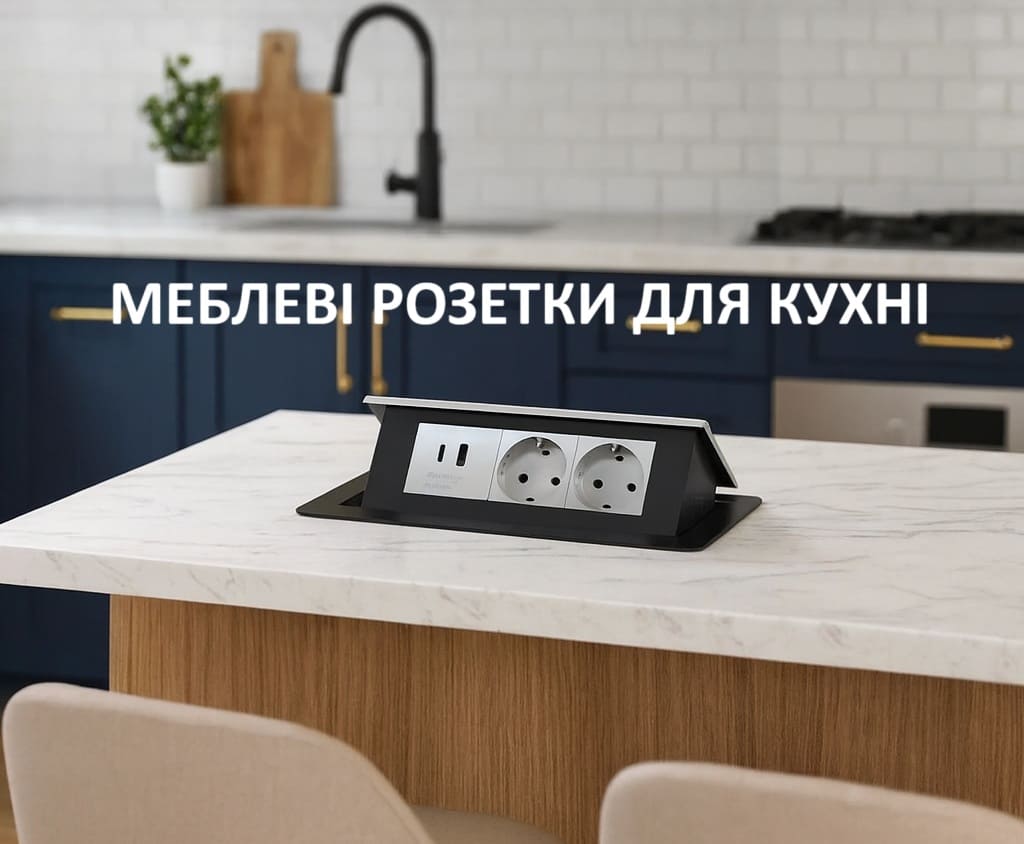
Why are pop-up sockets the ideal solution for an island?
Most designers recommend focusing specifically on retractable sockets for a kitchen island. Let’s look at why this option is worth choosing—its features, convenience, and practicality.
Ergonomics and workspace
The kitchen island often serves as the center of meal preparation, and this is where small appliances are used:
- mixers;
- blenders;
- coffee machines.
Constant access to power is essential for these kitchen devices, but it’s important to ensure the socket doesn’t take up valuable countertop space.
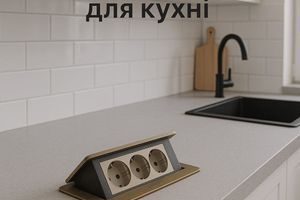
A pop-up socket that’s built into the surface and hidden inside the island body provides ergonomics and compactness. It’s easy to use when needed—just a light press of a button gives access to power, and then it can be returned to its hidden position.
Aesthetics and integration into modern design
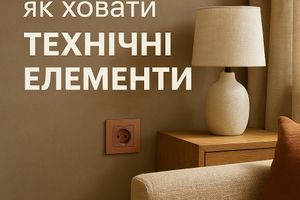
An important advantage of this type of electrical fitting is that a pop-up socket doesn’t spoil the kitchen’s appearance, as its integration into the design is almost invisible. Thanks to a variety of color options (from aluminum to black or white), you can match the socket block to any panel, furniture, or island finish. This allows you to emphasize clean lines, hide technical elements, and support the overall aesthetic.
What are retractable/pop-up sockets?
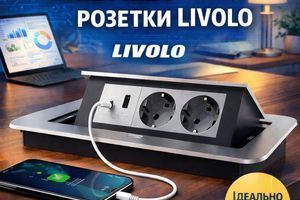
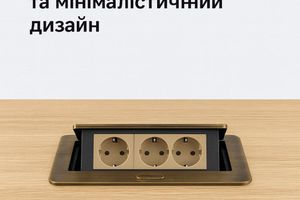
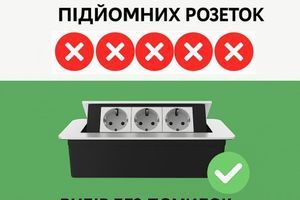
A pop-up, or retractable, socket is a type of electrical fitting that operates via a special sliding mechanism. This design allows the device to be hidden flush with the countertop. If you need to use the socket, you can easily pull it out with just a light press.
This innovative solution combines functionality and aesthetics, integrates easily into various surface types, and provides quick access to power when needed. It’s a practical, modern, and convenient alternative to traditional wall sockets. They are especially helpful where access to standard fittings is limited or disrupts the overall look and doesn’t fit the design.
Such models make the kitchen convenient and aligned with the requirements of our time. The online store Livolo offers a good selection of such devices and empty modules.
Operating principle: mechanical vs automatic
By opening mechanism, sockets in a kitchen island can be mechanical or automatic. The former open manually, most often by pressing a button or pulling a special ring.
Automatic devices open on their own after a light touch or sensor press, operating on an electric drive. These solutions are more convenient to use, especially if your hands are busy or dirty. Manual models are significantly more budget-friendly and reliable for repair and maintenance.
Types: vertical, horizontal, USB/QI modules
There are several types of retractable sockets:
- Vertical—the most common. Suitable for tight spaces, easily extend from the body.
- Horizontal—ideal for wide countertops, with more connection points.
- Models with additional modules and ports let you charge gadgets without an adapter, which is very convenient and practical.
You can choose the type that suits you best based on your preferences and needs.
Installation features on a kitchen island
Installing sockets in an island requires a careful approach and the involvement of a qualified electrician. Such installation affects not only functionality but also appearance and safety. Why entrust this to a specialist? First, it’s important to determine the cutout location precisely, choose the appropriate socket model, and its lift mechanism. Let’s look at the work stages in more detail.
Choosing the location and marking the opening
The socket should be placed where it is convenient for the user and close to the appliances. Consider several factors when choosing the position.
Do not place the socket near the sink—moisture is dangerous for electricity. Avoid installing it too close to the cooking zone or bar area—the socket should be easy and unobstructed to access.
After determining the ideal spot, make precise markings using a template. It doesn’t hurt to repeat measurements several times for accuracy control.
Technical requirements: IP rating, wiring, certification
During installation, several technical requirements must be observed:
- Minimum protection rating—IP44. This level protects the mechanism from moisture and dust. It’s better to choose moisture-protected models.
- The wiring system must be grounded and have heat-resistant insulation. This is critical to prevent accidents and protect equipment.
- Certified products guarantee compliance with standards and safe operation.
Remember that aesthetics are only part of the equation; compliance with standards is a mandatory requirement when choosing sockets for a kitchen island.
Installation process: cutting, fixing, connection
The installation of modern sockets that extend from the countertop is divided into several logical stages. Below is the general sequence:
- Base preparation. First, choose the area for the cutout (usually the countertop surface).
- Opening. Take precise measurements and cut an opening of the appropriate diameter. Make sure nothing interferes (pipes, wires).
- Installation. Insert the socket block into the prepared opening, checking its vertical alignment. Secure the body with the mounting elements from the kit.
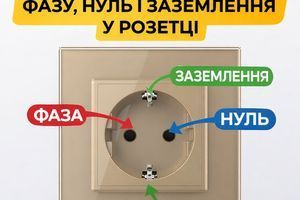
- Electrical connection. Turn off the power before starting. Open the cover and connect the wires, following the color coding (L – live, N – neutral, PE – ground).
- Check the reliability of the wire connections and install the protective cover.
After installation, turn the power on and make sure the socket works correctly (no burning smell, crackling, or sparks). If you lack sufficient experience, it’s better to entrust this work to an electrician. Use only certified tools and quality fittings. By following the above requirements and with basic skills, you can even install the sockets yourself.
Protection and safety in use
Since the kitchen has a specific microclimate, it’s important to ensure that the electrical fittings are suitable for use there.
IP protection, splash and dust resistance
In the kitchen, it’s important to provide protection from external factors. A quality socket block should have dust protection, sealed covers, and gaskets that prevent water ingress.
Safe use: children, cleanliness, shut-off
If there are small children in the home, use models with an opening lock or touch protection—they won’t be able to activate the device accidentally. Maintain cleanliness—periodic cleaning and servicing extend the life of the fittings.
Install a shut-off button or automatic power-off when closed. This also increases the safety of using the sockets.
Use cases and popular models
To make the design of a kitchen island with sockets as stylish and attractive as possible, it’s important to choose the right manufacturer and overall device appearance. Livolo offers a wide range of devices.
The brand’s retractable socket blocks can vary in color and number of modules. There are double and triple options—you can choose the one that suits you best. The concealed device not only preserves the overall look of the furniture but also expands its functionality. The products offered may include additional ports (e.g., USB, HDMI, Ethernet cables), LED backlighting, a touch button, etc., making everyday use more comfortable and convenient.
Approximate prices and installation options
Prices vary depending on functionality. Basic mechanical blocks are cheaper; automatic ones with USB/QI are somewhat pricier. Premium options with a designer panel, protection, and touch control are even more expensive, but they look the part. Installation can be flush-mounted or surface-mounted—choose based on the furniture design.
Tips from popular kitchen designers
When choosing a retractable socket block for a kitchen island, it’s worth consulting professionals. They know exactly how to select electrical fittings that will harmonize with your kitchen’s design.
Color, shape, placement
Experts recommend choosing the color of the fittings to match the countertop or furniture. As for shape, round models are more compact, while square ones offer a larger connection block. It’s best to place the device near the work area, but not above the stove or sink—this isn’t entirely safe.
Combining with a bar area, backsplash, and lighting
A pop-up socket integrates quite easily into a bar area, where power is often needed for a laptop or phone charging. It can also be combined with LED lighting, a chrome backsplash, or a modern island made of wood or stone.
Retractable sockets are not just a functional element. They’ve become an important part of design—a symbol of ergonomics, aesthetics, and safety. Their integration into kitchen islands answers modern demands for convenience, access to power, and preservation of style. Following recommendations for installation, model selection, and setup will ensure long and safe operation in any modern kitchen.
Therefore, if you’re currently renovating your kitchen or furnishing this space in a new apartment, you can select the best electrical fittings for your home on the Livolo website—they will not only fit perfectly with your room’s overall style but also last a long time. If necessary, store specialists will help with consultation and model selection.