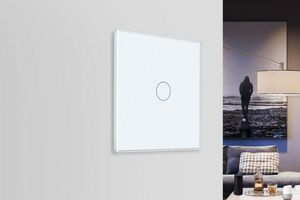
Switches are installed for convenient lighting control in homes, offices, and apartments. Recently, wireless models have become especially popular. Installing a touch switch of this type doesn't require chiseling walls or laying additional wires.
This type of electrical fitting can be installed virtually anywhere without damaging decorative finishes. A wireless touch switch can be part of a smart home system, making lighting control even easier.

Design Features and Operating Principle
From the outside, a smart switch looks almost identical to a standard model. Internally, it's also simple, but the operating principle is different. In essence, it functions as a signal transmitter, similar to a remote-controlled device. The switch is installed directly on the power line.
A key component of a wireless switch is the actuator or receiver. This is a radio-controlled relay that receives the signal and responds by closing the lighting circuit. It can be installed near the wiring or in another location—as long as it's within the transmitter’s range.
The actuator's placement depends on the type of lighting used. For example, with recessed spotlights, it can be hidden in the suspended ceiling. It’s a compact device that can even be placed directly inside a chandelier. If necessary, it can also be installed in a junction box—just make sure to choose one of the appropriate size.
The Switch Itself and Its Features
One key feature is the presence of a small energy generator. When you press the switch button, it generates electricity and produces an energy impulse. This impulse is converted into a radio signal, which is received by the electrical fitting to trigger further actions.
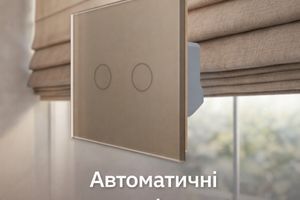
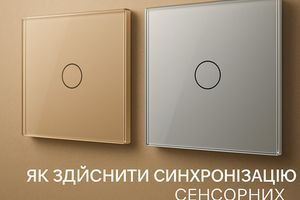
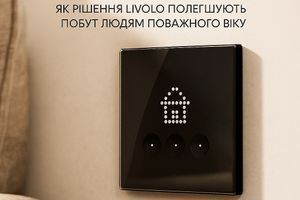
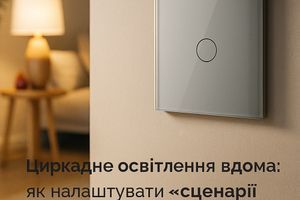
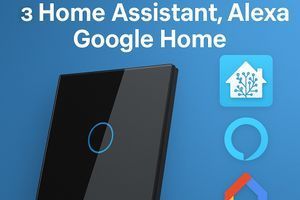
Switches with built-in generators tend to be more expensive. A more affordable alternative is models powered by small batteries. Touch switches also include autonomous power sources. These switches don't have buttons—instead, they feature a touch panel to control lighting with a simple touch.
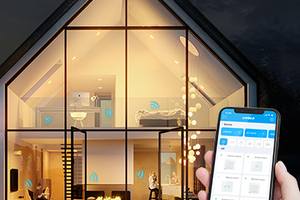
In short, a wireless light switch is a high-tech, modern device. Its popularity is largely due to its compatibility with smart home systems. With this electrical fitting installed, you can control lighting not only with a remote but also from your smartphone.
Key Advantages of Wireless Switches
This type of switch is ideal for anyone seeking a comfortable and modern living environment. Smart switches offer numerous benefits:
- No need for additional wiring. This is especially convenient in wooden houses where aesthetic and safe installation is essential. You won’t need to break walls or connect to existing wires.
- Centralized control of all lighting fixtures in a home or apartment. A Wi-Fi switch can be operated using a stationary or mobile remote, allowing you to adjust not only the on/off status but also the brightness level.
- Wide operating range. Walls do not block the signal. For instance, installing a traditional pass-through switch would require extensive cabling—while a wireless model offers a fast and easy solution.
- Safety. Wireless models are especially useful for households with small children. Even if a child disassembles the device and touches it, nothing dangerous will happen. The currents involved are very low and harmless.
- Aesthetic appeal. Wireless switches fit seamlessly into any interior design. Available in a wide range of colors, it’s easy to choose a model that suits your specific decor.
Remote lighting control brings added comfort to your home. You can turn lights on or off without getting up from the couch or bed. This is especially convenient for elderly individuals or those with limited mobility.
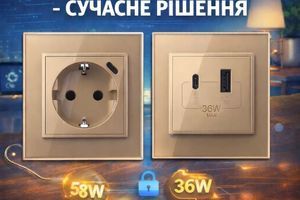
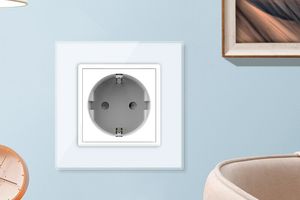
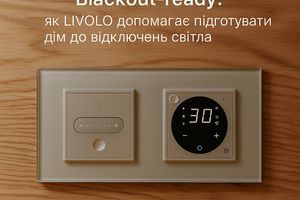
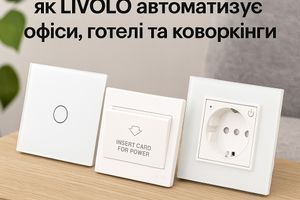
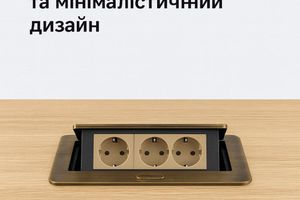
You can control these devices from anywhere in your home. They may come with one or two sensors. Installation is simple—just use double-sided tape. The modular design allows you to create custom combinations of electrical fittings (e.g., combine switches with power outlets in a single frame).
Controlling lighting from your smartphone is another key benefit. It not only allows you to turn lights on and off but also to create automated scenarios. For example, lights can turn on at sunset or when motion is detected in the room.
Do Smart Switches Have Any Drawbacks?
While these devices offer many advantages in terms of design and functionality, it’s important to consider that a smart switch is generally more expensive than a conventional one. Keep in mind that setting up a smart home system overall requires investment.
Another point is the limited operating range, which is usually around 30 meters. Beyond this distance, the switch may not receive signals. That’s why you should carefully choose the installation location to ensure reliable control.
Range of Smart Switches
In the Livolo online store, you’ll find models that can greatly improve and simplify lighting control in your home. Right after purchase, you’ll experience the benefits of our wireless switches, including:
- Easy installation using double-sided tape;
- Compatibility with smart home systems;
- Reliable signal transmission through walls or furniture;
- Support for both local and network-based control.
The device also supports voice control and can be operated via Google Assistant or Amazon Alexa.
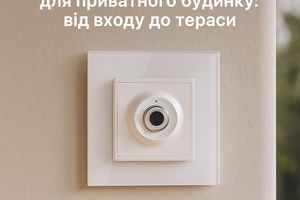
On our website, you can purchase touch or mechanical switches of various types, along with other electrical fittings for a more convenient lifestyle.