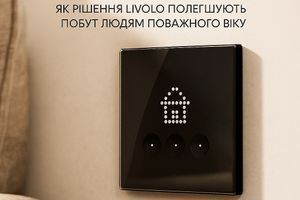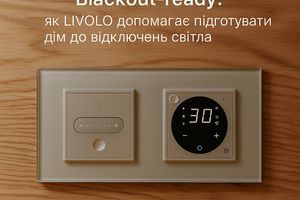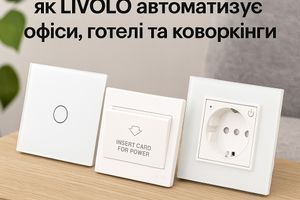
The master switch, which can be implemented in a private house or apartment, is a useful device. It connects to selected or all lighting groups and sockets. It allows you to cut off the power supply and restore it when turned on. Connecting the device greatly simplifies control, and it can also be integrated with smart light switches.
What is a master switch and what are its functions?
A master switch provides centralized control of lighting and sockets. It is used to automate power management when leaving the premises. You don't need to go into every room to check if a light or device is on. It’s also relevant for use as an outdoor switch.
Benefits and features:
- Energy savings. With one press, you can de-energize sockets and turn off lighting fixtures, including wireless switches.
- Additional safety. You’ll always know whether the iron or heater was turned off.
- Flexible configuration. You can connect not all, but selected lighting or socket groups, enabling more tailored control and comfort.
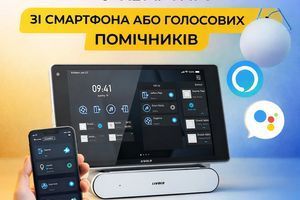
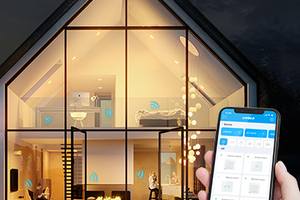
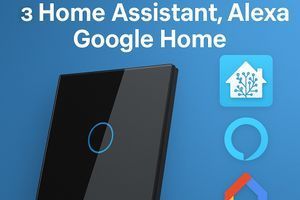
- Integration with a smart home system. Master switches — whether touch-based or contactless — can significantly simplify automation of lighting and socket control.
All household members will appreciate the convenience of such a system. Moreover, it increases property value thanks to the comfort it provides. It also looks aesthetically pleasing — even if it's just a basic push-button switch.
Master switch wiring diagram
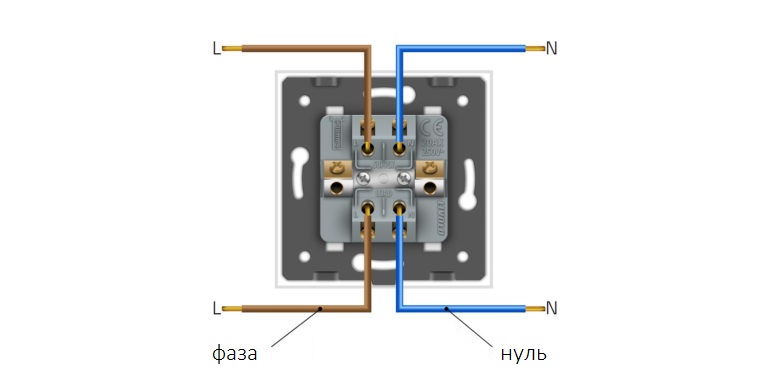
Before wiring the master switch, it’s important to understand the diagram. You’ll need a contactor and a one-gang switch — for example, a silent model. This significantly improves power control at home. The master switch is connected to the control terminals of the contactor, while lighting and socket groups are connected to its load terminals. This forms centralized control. Switching it on or off provides accurate power supply and disconnection.
Note: the master switch must be wired through a contactor, as the current can exceed the switch's direct handling capacity. Choose the contactor based on the number of phases in your electrical system.
NO or NC contacts: which to choose?
Wiring a master switch is not complicated, but selecting the right type of contactor is important. The most common options are Normally Open (NO) and Normally Closed (NC).
In an NO contactor, contacts are open when idle. They close only when voltage is applied to the coil — and only then power is supplied.
In contrast, NC contacts are closed when idle and open when activated. So power is interrupted when the contactor is switched on. For master switches, NO contactors are generally preferred. Their principle in this setup is as follows:
- Disconnection under voltage. When leaving home, turning off the master switch causes the contactor to open its contacts, cutting power to devices without being under load.
- Safety. The contactor coil is de-energized, minimizing risks of overheating or short circuits. This increases safety while you're away.
It's crucial to calculate the switching current of the contactor. Add up the total power consumption of connected devices — this determines the total electrical load. Then, add a power margin. This is a key step. The contactor's rating should be one level higher than that of the circuit breaker before it. The breaker protects from thermal overloads.
Another important point is protection from overloads and short circuits. You’ll need a circuit breaker installed before the contactor to protect the entire line. After the contactor, use individual circuit breakers for separate lighting and socket zones.
Selecting the proper contactor rating can be complex and may require professional assistance. It’s best to consult with a qualified specialist.
Selecting a switch and location for the master switch
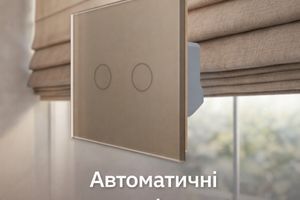
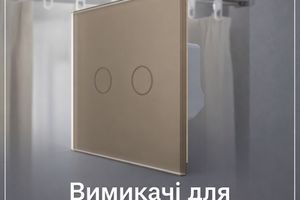
All wiring setups require a suitable switch and its correct placement. One-gang models with fixation, including wireless ones, are ideal. They are easy to install — no wall chasing needed — and can be mounted even after finishing work. Their design and style will pleasantly surprise you and allow you to find a suitable solution for your space.
Where should you install the master switch? Here are a few tips for convenience and safety:
- Hallway. A near-perfect option, as it connects different rooms in the home.
- Optimal height. If you have children or pets, it’s better to install it higher or in a hidden spot to avoid accidental presses. A hidden installation, such as under a cover, also makes it less noticeable.
The master switch has many benefits, but choosing and installing it correctly is crucial. Feel free to reach out to our managers for expert consultation.
Where is the master switch most useful?
This solution is ideal for homes, offices, and commercial spaces. At home — in apartments or private houses — it ensures convenience when leaving or returning. Lighting and socket groups can be controlled with a single press. In office spaces, it’s an effective energy-saving tool. In shops, restaurants, and other commercial facilities, it enables efficient lighting and energy management.