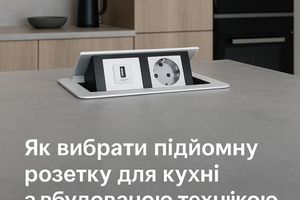
When choosing electrical fittings for a space, we consider not only functionality. We want to purchase modern sockets and switches — those that reflect the latest design trends.
Thanks to a wide range of models available today, it’s possible to choose fittings that match any interior style. Sockets and switches should complement the chosen color scheme, shades, and overall design concept. Let’s take a look at the prevailing trends in electrical fittings design this year.
Minimalism and Integration into the Interior
When decorating apartments and houses, the principles of minimalism are often followed. This style is concise, restrained, and avoids unnecessary details. Its main features include:
- precise detailing,
- matte surfaces,
- concealed door hardware,
- built-in appliances.
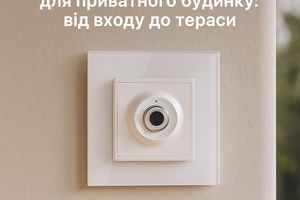
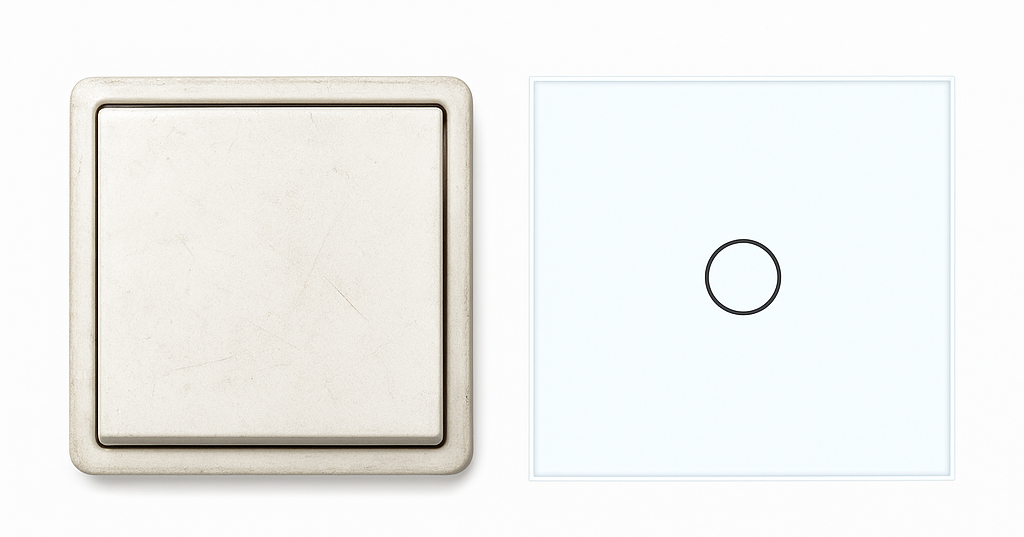
Switches and sockets in such interiors should align with this trend. They shouldn’t be overly noticeable or disrupt the stylistic and color harmony. That’s why designers adhere to minimalistic traditions in their creation and design.
One of the key features is the absence of small decorative elements — only useful functionality. Every item in the room must serve a purpose, making stylish sockets and switches essential. Key characteristics of minimalist fittings include:
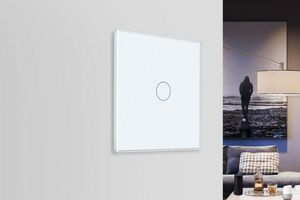
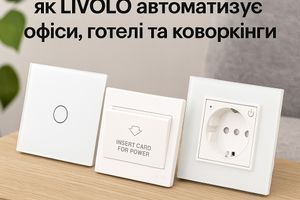
- thin front panels — ideally, they should barely protrude from the wall,
- wide or ultra-slim frames — the former provide smooth transitions to the wall, while the latter are perfect for compact spaces,
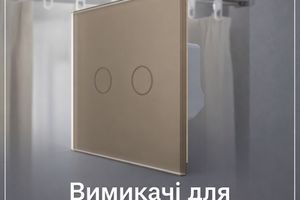
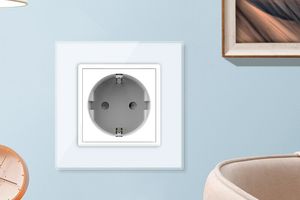
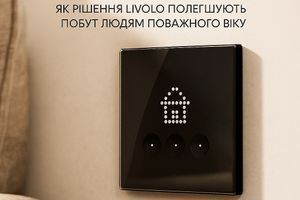
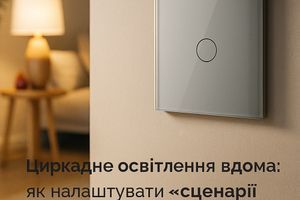
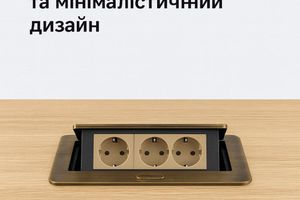
- materials like glass or thermoplastic with a solid glossy or matte finish,
- simple, unobtrusive textures.
Minimalist electrical fittings are not decorations but functional elements. They should look as simple and restrained as possible, avoiding attention while complementing the interior.
Minimalism also places specific demands on installation methods. Flat models with minimal depth are in high demand — they barely protrude from the wall and highlight the wall’s texture. Seamless installation has also gained popularity, where fittings blend into the surface. This approach is especially suitable for decorative plaster finishes.
Use of Natural Materials
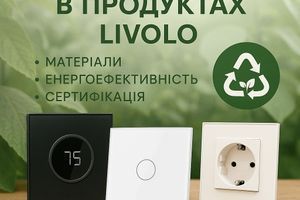
Natural accents are another trend that aligns perfectly with minimalism. Modern switches and sockets are often made from natural materials, emphasizing a commitment to tradition. Eco-friendliness is a major concern — materials must be free of synthetic additives.
All materials used in production are suitable for recycling. For instance, glass fittings are very popular. They look attractive and complement minimalist interiors. These sockets and switches can be installed in any room.
In addition to glass, other materials include:
- stone,
- recycled plastic,
- brass,
- bronze,
- wood.
There are collections featuring switches styled to resemble various wood types, including premium options. Such sockets and switches are especially appropriate for Scandinavian or eco-styled interiors — both known for their simplicity and alignment with modern trends.
Metallic Accents
Switch designs for 2025 also include models with metallic elements. These look not only stylish but also highly technological. They’re ideal for modern interiors like tech, high-tech, or loft styles — all of which emphasize simplicity and clarity.
Metallic accents also appear in color choices. For instance, fittings may be made of glass but finished in cool grey, black, or bronze, giving a metal-like appearance. These models lend a modern, elegant touch to the space.
The trendy design of 2025 sockets assumes that metallic accents don’t dominate the overall look but harmoniously complement the room’s color scheme. This design choice reflects the owner’s responsibility, as well as the fittings’ reliability and durability.
Metallic accents go well with other interior design trends. Such fittings are often chosen for offices and workspaces where they emphasize the setting and support focus on tasks.
Technological Innovations
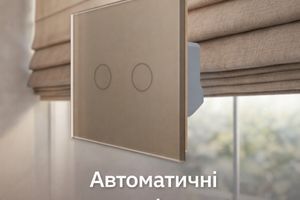
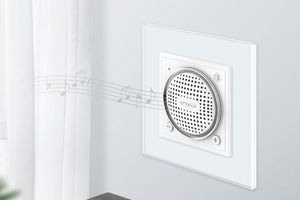
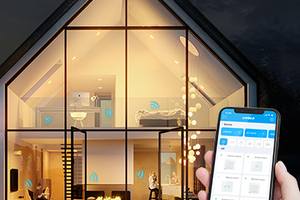
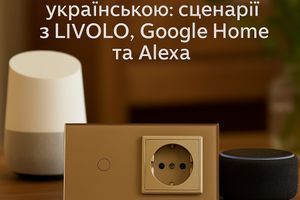
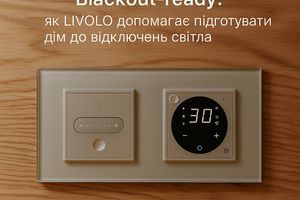
Today’s stylish switches and sockets are not just about aesthetics — they also reflect the latest tech innovations. These are not ordinary fittings, but smart devices. They can be integrated into a smart home system to control lighting and appliances remotely.
Such electrical fittings can:
- turn appliances on or off even when you’re away — via app or voice assistant. For example, you can activate electric heating to warm your home before you return,
- create schedules for switching devices on and off — like setting the coffee maker to brew every morning at the same time,
- work via Bluetooth or Wi-Fi — enabling remote signal reception,
- set up lighting scenarios (e.g., dimmed or brighter lights at specific times).
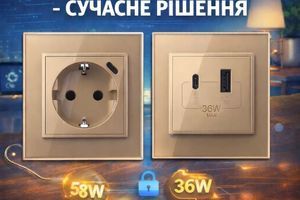
Functionality is key — fittings are adapted to modern users’ needs. For example, sockets with USB, RJ-45, HDMI, TV, SAT, and Type-C ports are extremely popular. They allow you to charge smartphones, tablets, and other gadgets using only a cable, without a power adapter.
Thanks to the variety of ports, these sockets support direct connections for internet, TV, and other equipment. This also reflects minimalism — fewer cables mean a cleaner space, especially useful in compact rooms.
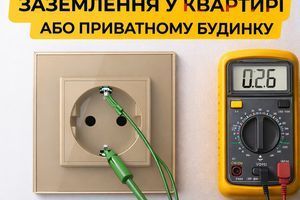
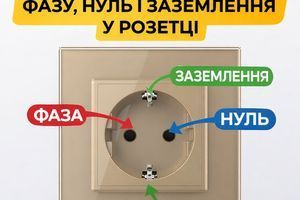
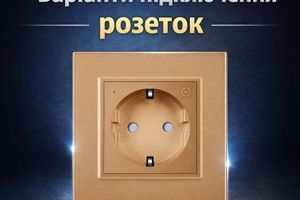
Another key trend is safety. That’s why grounded sockets are commonly installed in homes. Switches with backlighting are also in demand — they’re very convenient at night, helping to avoid accidents by making the device easily visible. Moisture protection and child safety shutters are equally relevant.
Color Solutions
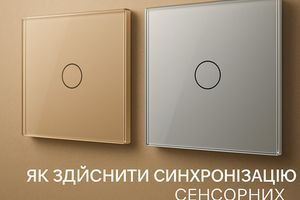
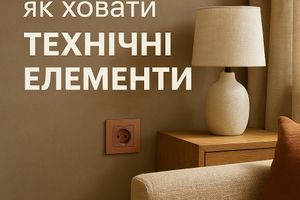
Color variety is also a strong focus. Today’s trend is for sockets and switches that blend into the wall they’re installed on. You can match them to the tile or furniture color depending on the installation location. This ensures that technical elements don’t disrupt the overall interior design but complement it harmoniously.
Natural colors and shades of white, grey, brown, and black are especially popular. Their simplicity and restraint go hand-in-hand with practicality — manufacturers aim to provide a pleasant tactile experience. Trends in switches and sockets highlight ultimate simplicity.
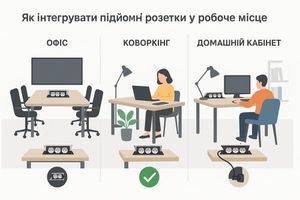
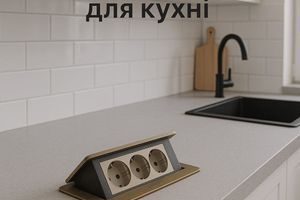
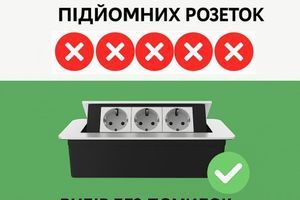
That’s why furniture-mounted models have become part of the lineup — installed directly into furniture units, they blend beautifully with natural wood shades, creating a harmonious space. These sockets can even be installed in the floor to free up desk space.
Modern electrical fittings are minimalist and simple in appearance, yet technologically advanced. Alongside standard sockets, we now often see models with Type-C ports, allowing users to charge multiple gadgets simultaneously. These options fully align with the latest trends.